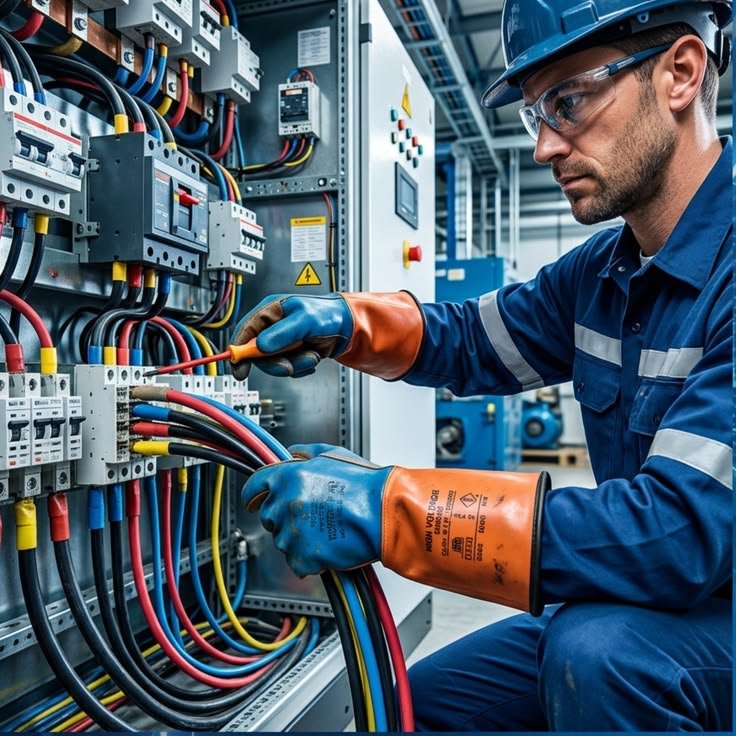
Electrical Safety Audit Services
Protect Your Facility with Professional Electrical Safety Inspections
VTOWN Energy Solutions provides electrical safety audit services to help industrial and commercial facilities identify potential electrical hazards, assess installation conditions, and improve workplace safety. Our systematic inspection approach helps businesses understand electrical risks, evaluate relevant protection systems, and plan appropriate corrective actions.
Safety Begins with a Detailed Inspection
Review the condition of electrical installations, identify potential hazards and support better maintenance decisions.
Understanding Electrical Safety Audits
What Is an Electrical Safety Audit?
An electrical safety audit is a systematic assessment of electrical installations, equipment, and safety practices to identify potential hazards and areas requiring improvement. It helps businesses evaluate the condition of electrical systems and identify issues that could contribute to electric shock, electrical fires, equipment damage, or unexpected interruptions.
Depending on the facility and agreed scope, an electrical safety audit may include inspections of electrical panels, cables, circuit breakers, earthing systems, protective devices, and electrical distribution networks. VTOWN Energy Solutions aims to help businesses understand their electrical safety requirements through structured inspections, technical observations, and practical recommendations.
Why Is an Electrical Safety Audit Important?
Electrical installations can develop safety issues over time because of equipment deterioration, loose connections, improper maintenance, overloading, damaged insulation, or inadequate protection.
Regular assessments can help identify these issues before they develop into more serious problems. An electrical safety audit also supports maintenance planning, workplace safety initiatives, and reviews of applicable electrical safety requirements.
How Does an Electrical Safety Audit Work?
The audit generally begins with a review of available electrical documents and the facility's requirements. Relevant equipment and installations are then inspected, and appropriate measurements or tests may be conducted where included in the scope.
The observations are evaluated to identify potential hazards and areas requiring corrective action. Findings and recommendations can then be documented in a technical report.
Why Are Electrical Safety Audits Important?
Electrical safety audits help businesses understand the condition of their electrical installations, identify potential risks, and plan appropriate safety and maintenance improvements.
Identification of Electrical Hazards
Electrical safety audits help identify potential hazards such as damaged cables, exposed conductors, loose connections, overloaded circuits, and unsafe electrical installations.
Assessment of Electrical Installation Safety
Inspecting panels, distribution boards, wiring, switchgear, and protective devices helps evaluate their visible condition and identify areas requiring further inspection or maintenance.
Identification of Potential Fire Risks
Loose electrical connections, excessive loading, damaged insulation, and unsuitable protective arrangements can contribute to electrical fire risks. An audit helps identify relevant warning signs and recommend corrective measures.
Review of Earthing and Grounding Systems
Earthing and bonding systems play an important role in electrical safety. An assessment can review their visible condition and, where included in the scope, evaluate continuity or earth resistance using suitable testing methods.
Improved Electrical Safety and Reliability
Identifying potential issues and prioritizing corrective actions helps businesses strengthen maintenance practices, improve electrical safety, and support reliable facility operations.
Discuss your facility's electrical installation and safety assessment requirements with VTOWN Energy Solutions.
Our Electrical Safety Audit Services
VTOWN Energy Solutions can structure electrical safety assessments around the requirements of industrial and commercial facilities. The specific inspection and testing activities depend on the agreed scope.
01
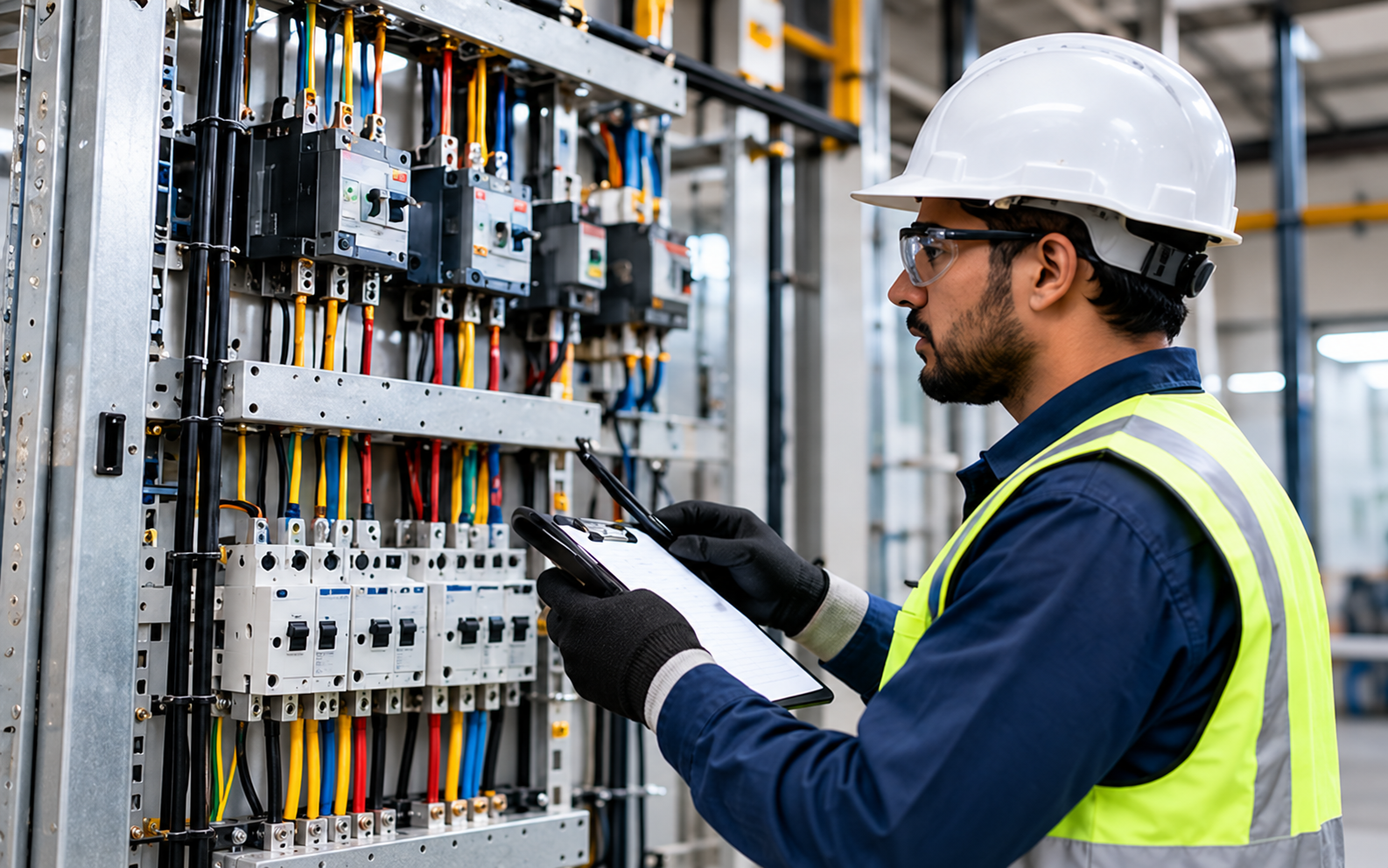
Installation Assessment
Electrical Installation Safety Audit
Reviews the general condition of electrical infrastructure to identify potential hazards, unsafe practices, and areas requiring maintenance or improvement.
02
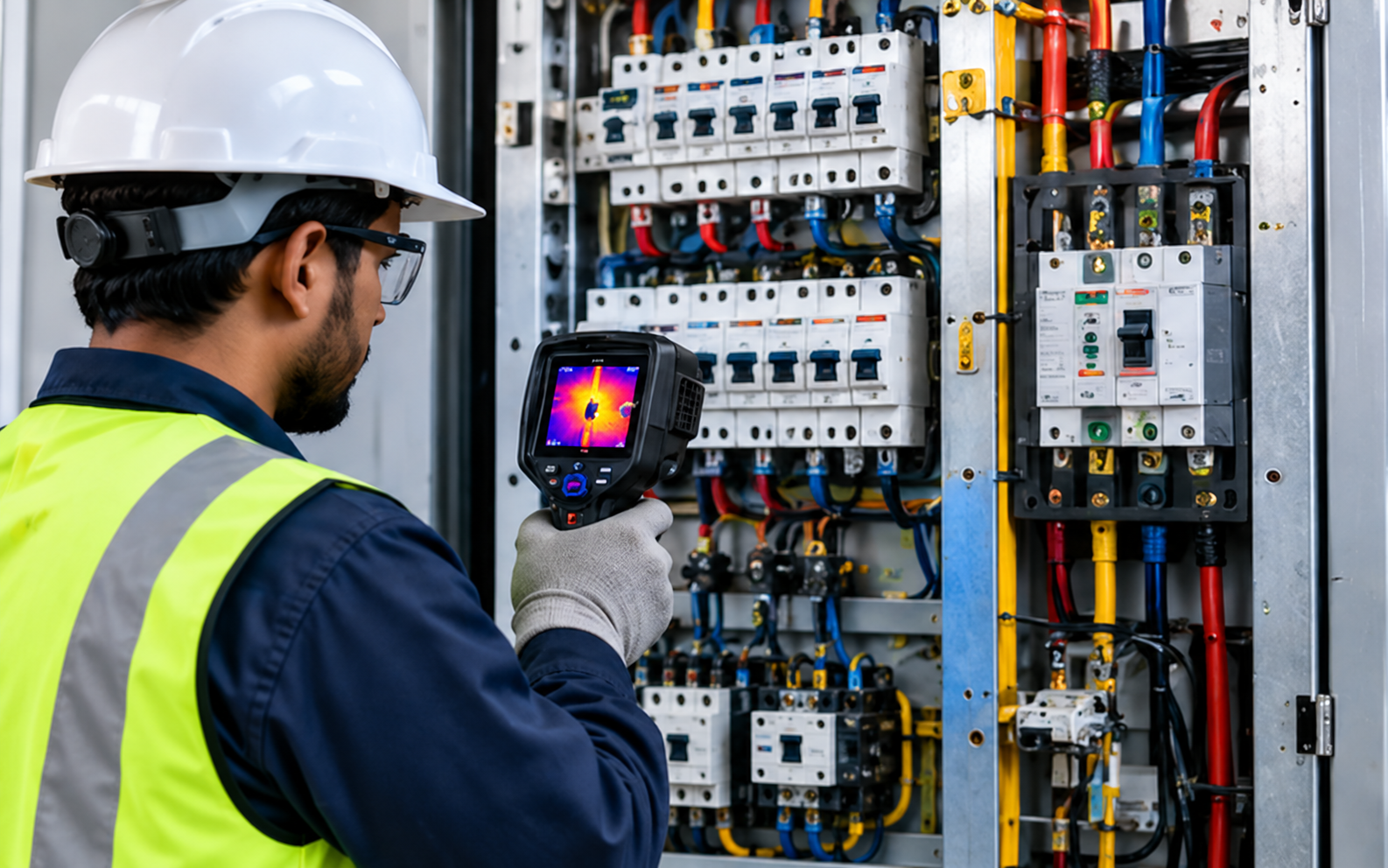
Panel Inspection
Electrical Panel Safety Inspection
Electrical panels and distribution boards are inspected for visible damage, overheating indicators, loose or exposed connections, labeling issues, and other potential safety concerns.
03
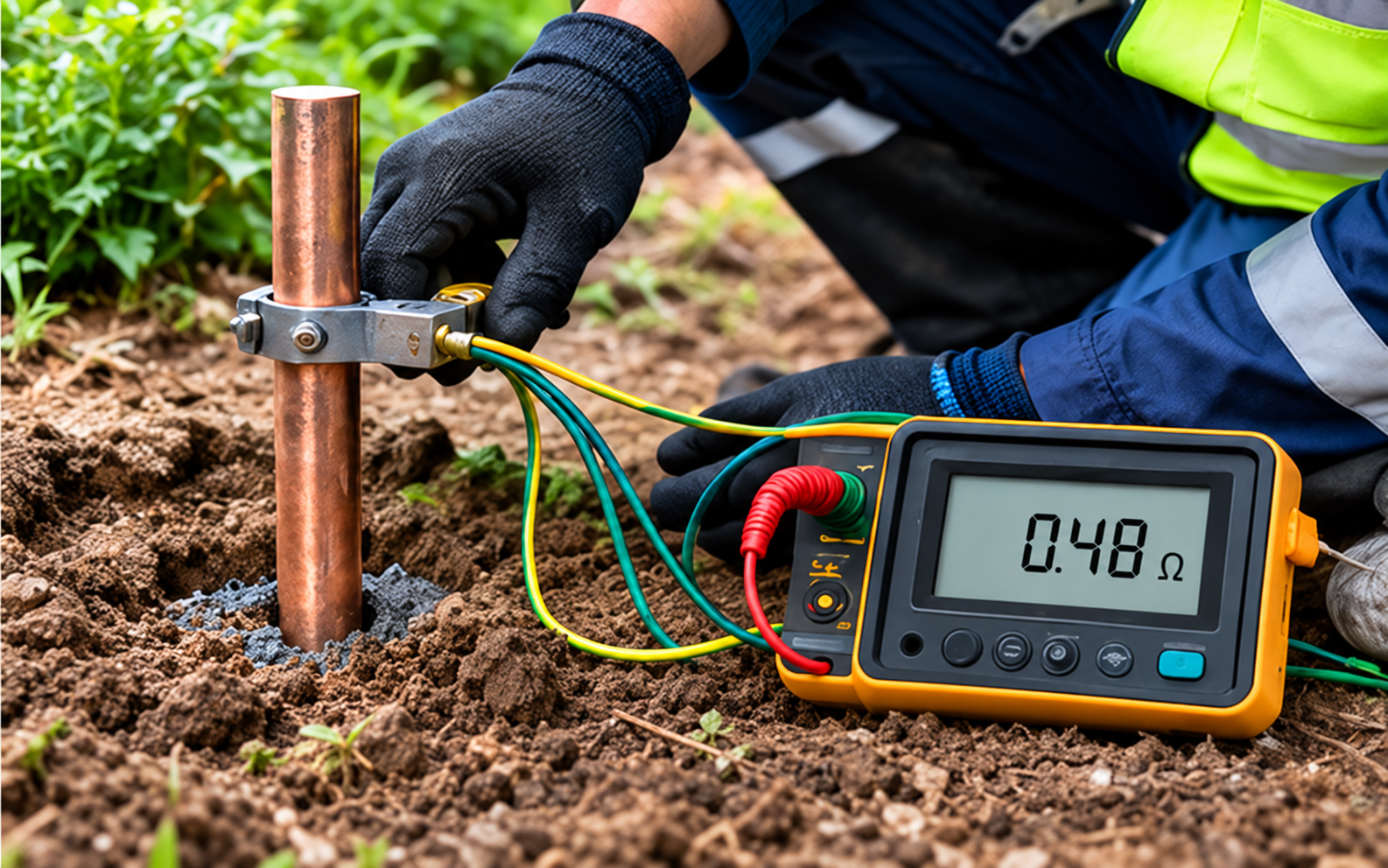
Earthing Assessment
Earthing System Inspection
Evaluates relevant earthing and bonding arrangements. Where included in the scope, earth resistance and continuity measurements can help assess the condition of the grounding system.
04
Protection System
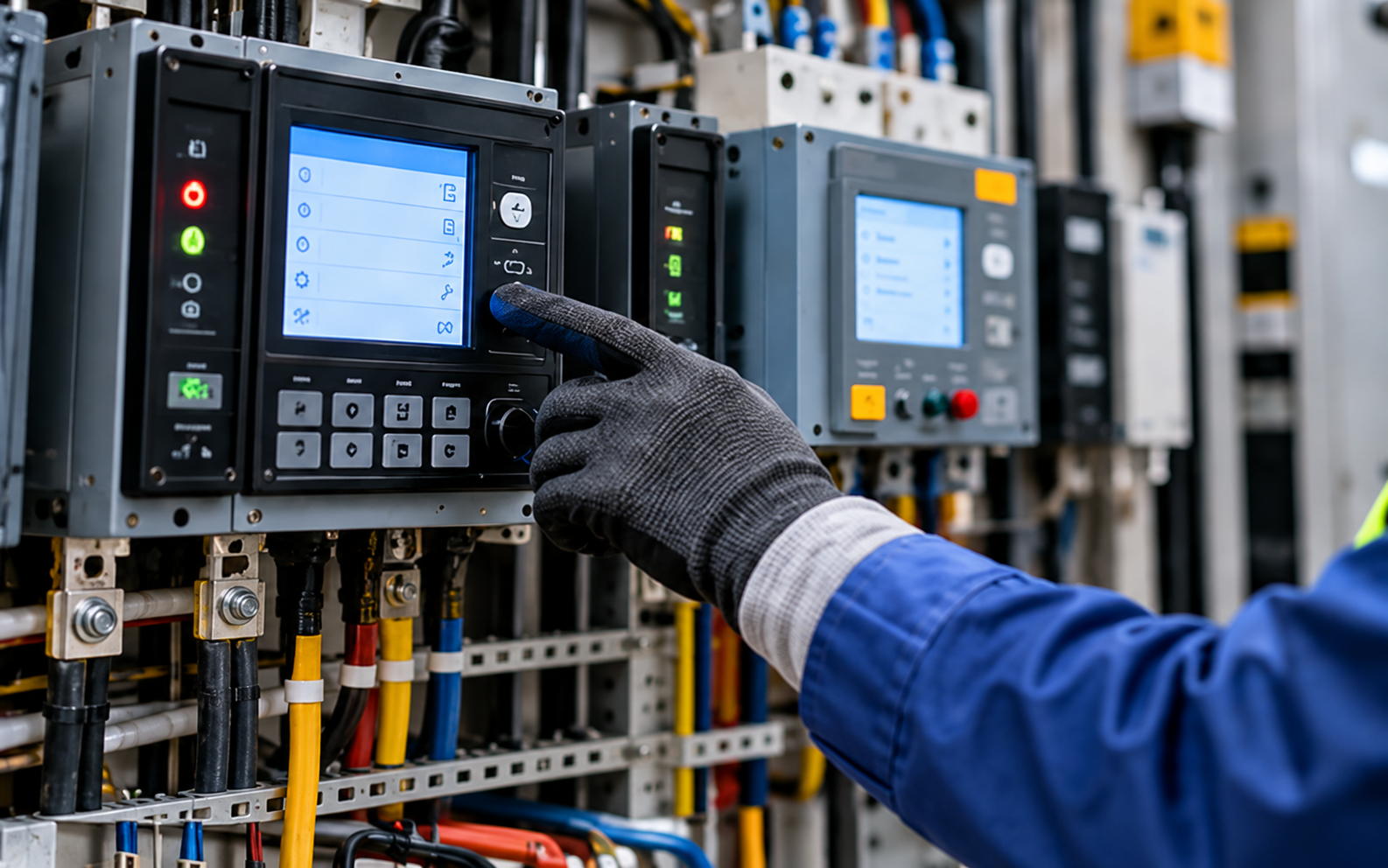
Electrical Protection System Assessment
Protective devices are reviewed for potential concerns involving their condition, ratings, suitability, and operation. Detailed protection coordination studies are included only when specifically agreed upon.
05
Breaker Inspection
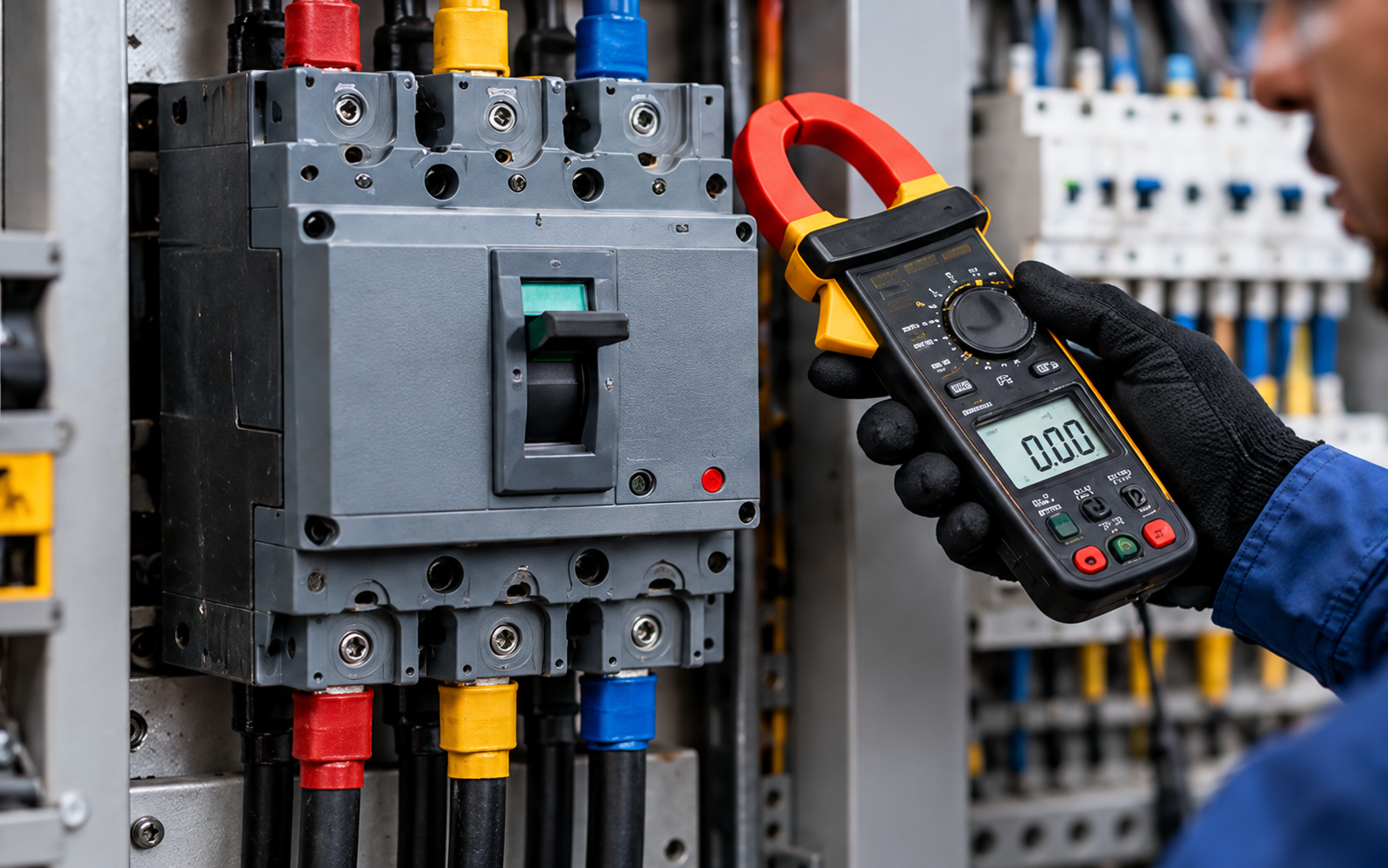
Circuit Breaker and Protective Device Inspection
Circuit breakers, fuses, isolators, and related protective devices are assessed for visible defects, suitability, and maintenance requirements.
06
Wiring Inspection
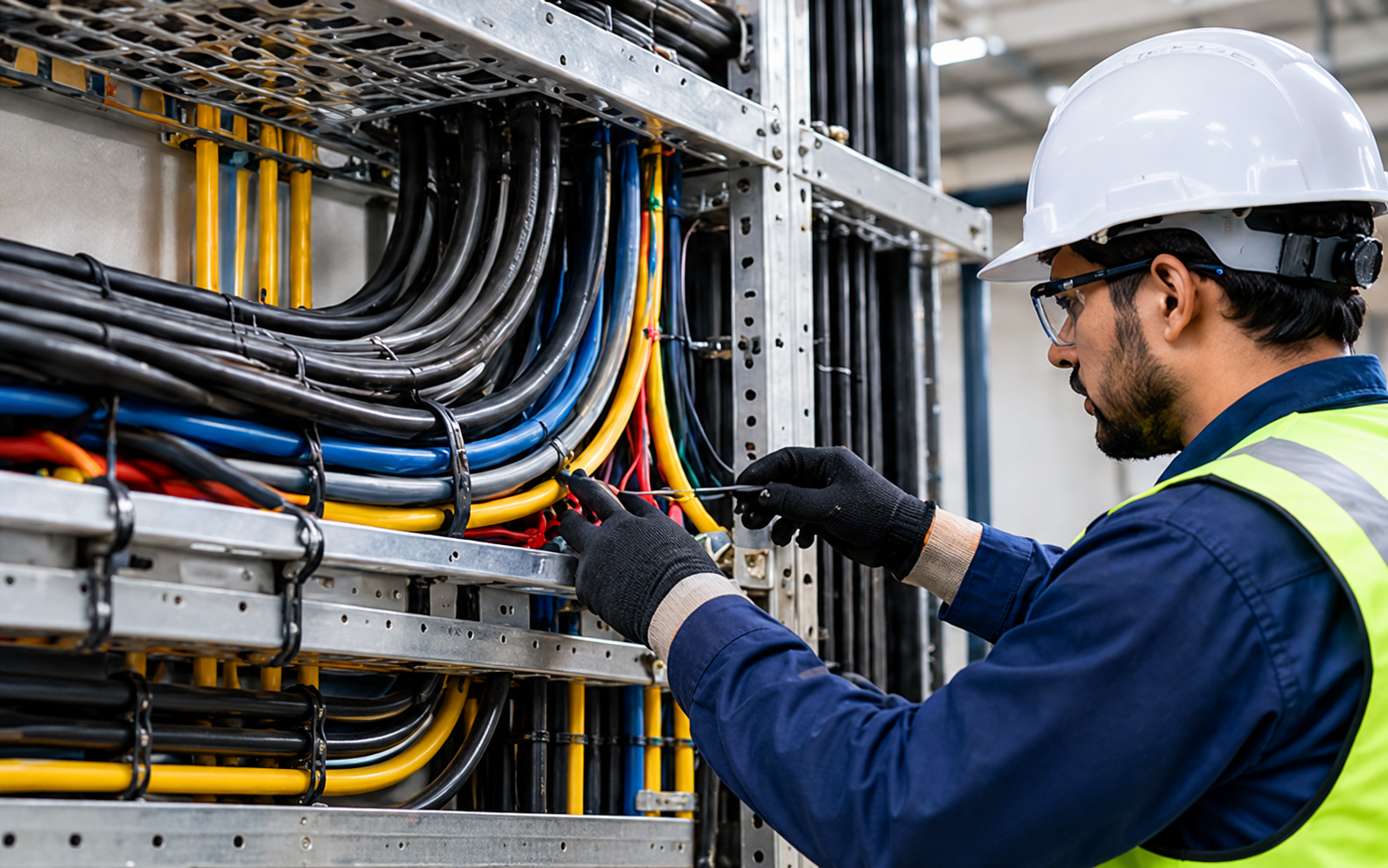
Cable and Wiring Inspection
Cable routes, wiring arrangements, insulation condition, termination points, and signs of deterioration are examined to identify potential electrical hazards.
07
Load Assessment
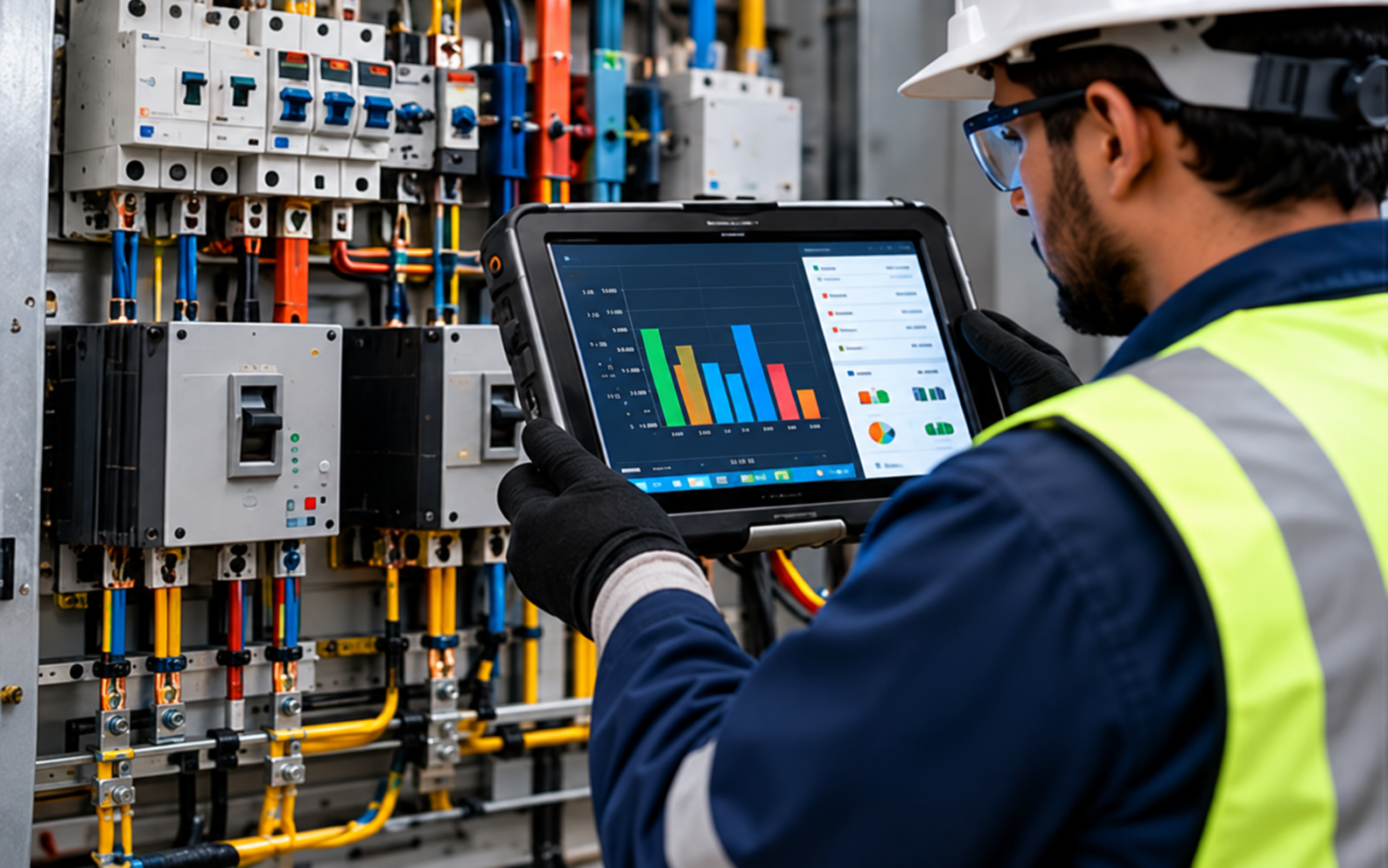
Electrical Load and Distribution Assessment
The distribution system and available load information are reviewed to identify potential overloading, uneven phase loading, and other issues that may require further investigation.
08
Residual Current Devices
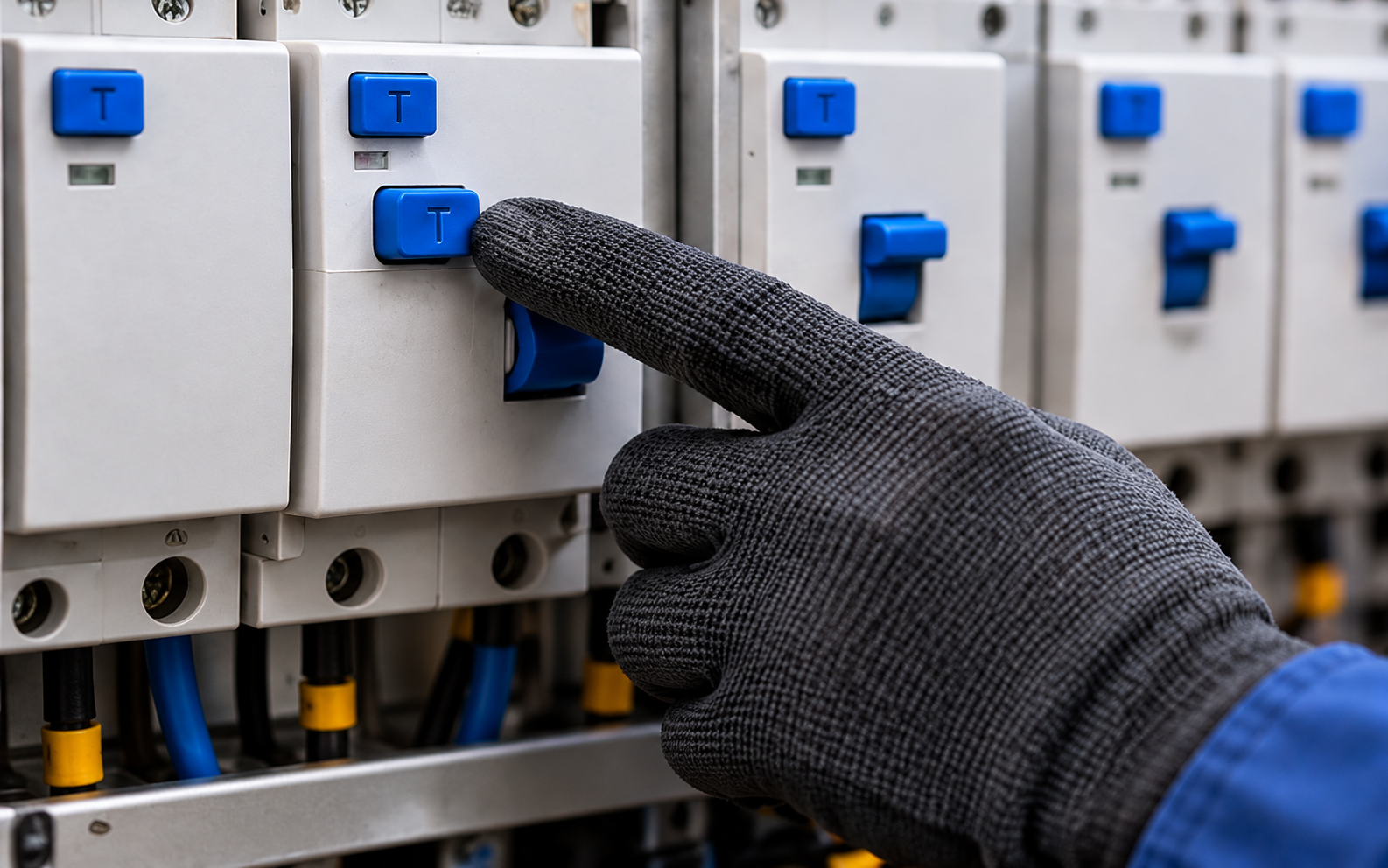
RCD, RCCB and ELCB Inspection
Residual current protection devices are inspected, and functional testing may be conducted where appropriate. The assessment helps identify possible concerns with protective arrangements intended to reduce electric shock risks.
09
Fire Risk Assessment
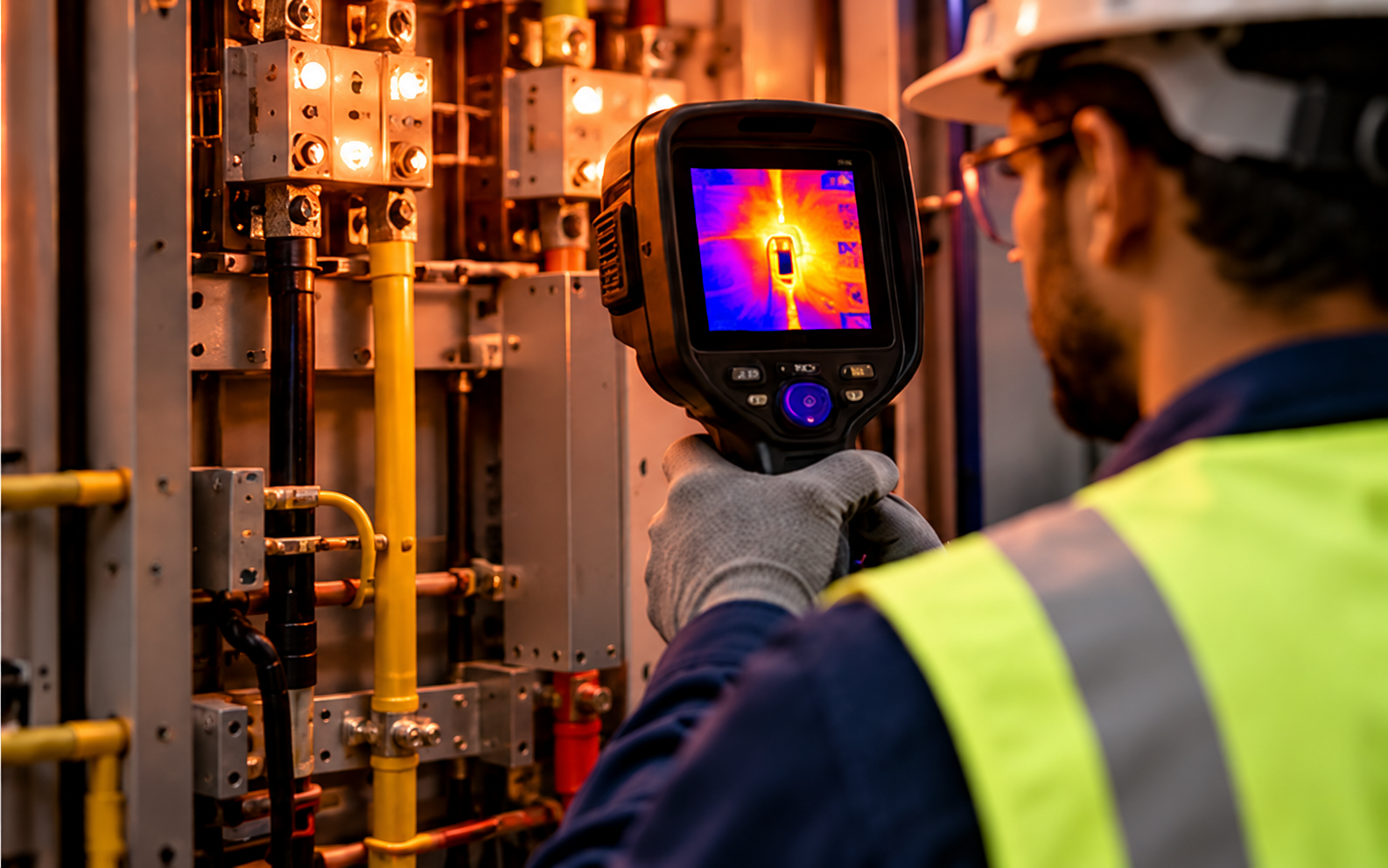
Electrical Fire Risk Assessment
Examines electrical conditions that may contribute to fire hazards, including damaged insulation, excessive loading, overheating indicators, unsuitable connections, and inadequate maintenance.
Inspection Scope: The specific inspection methods, measurements, functional tests, and assessment activities depend on the facility requirements, site conditions, safety arrangements, and agreed scope of work.
Contact VTOWN Energy Solutions to discuss your electrical installation, equipment concerns, and inspection requirements.
Equipment and Systems Covered
Electrical safety audits may include inspection of the following equipment and systems, depending on the facility and the agreed audit scope.
LT Electrical Panels
Inspection of low-voltage electrical panels and distribution arrangements.
PCC and MCC Panels
Assessment of power control and motor control panels for visible safety concerns.
Circuit Breakers and Protective Devices
Review of protective equipment and potential maintenance requirements.
Transformers and Distribution Systems
Inspection of relevant electrical distribution equipment and visible installation conditions.
Cables, Wiring and Busbars
Assessment of cable routing, terminations, insulation condition, and visible damage.
Earthing and Bonding Systems
Review of earthing connections, bonding arrangements, and applicable test results.
RCD, RCCB and ELCB Devices
Inspection and appropriate functional testing of residual current protection devices.
Electrical Motors and Connected Equipment
Assessment of relevant electrical connections, isolation arrangements, and visible hazards.
Emergency Electrical Isolation Arrangements
Review of accessible isolation devices, identification labels, and emergency isolation provisions.
Assessment Scope: Equipment selection, inspection methods, and any electrical measurements or tests depend on the facility conditions, safety requirements, and agreed scope of work.
Discuss your equipment safety concerns and inspection requirements with VTOWN Energy Solutions.
Our Electrical Safety Audit Process
Our structured audit approach helps businesses assess electrical installations, identify potential hazards, review safety requirements, and document practical corrective recommendations.
Requirement Assessment
We understand the facility type, electrical installation, operational requirements, and objectives of the proposed electrical safety audit.
Review of Available Electrical Documents
Relevant electrical drawings, single-line diagrams, equipment details, maintenance records, and previous inspection reports are reviewed where available.
Site Inspection and Visual Assessment
The agreed electrical installations are inspected to identify visible defects, unsafe conditions, and potential hazards.
Electrical Testing, Where Required
Suitable electrical measurements and tests may be performed where included in the scope. These can involve earthing continuity, earth resistance, insulation resistance, or protective device testing, as applicable.
Identification of Safety Issues
The inspection findings are evaluated to identify potential risks and determine which issues may require immediate attention, further testing, or corrective maintenance.
Technical Report and Recommendations
The findings are documented in an electrical safety audit report with observations, applicable test results, and recommended corrective actions according to the agreed scope.
Electrical testing must be conducted by qualified personnel using suitable equipment and appropriate safety procedures. The tests performed depend on the agreed audit scope and site conditions.
Benefits of Electrical Safety Audits
A structured electrical safety audit helps businesses identify potential hazards, understand installation conditions, and make informed decisions about workplace safety and maintenance.
Identification of Potential Electrical Hazards
Identify visible defects and potential hazards before they contribute to electrical incidents or equipment damage.
Improved Electrical Installation Safety
Review electrical infrastructure and highlight areas where maintenance, repairs, or safety improvements may be required.
Early Identification of Unsafe Conditions
Detect signs of deteriorating insulation, damaged wiring, unsuitable connections, and other potentially unsafe conditions.
Better Maintenance Planning
Use documented observations and recommended corrective actions to help prioritize maintenance activities.
Reduced Risk of Electrical Incidents
Addressing identified issues can help reduce exposure to electrical hazards, although an audit cannot eliminate every risk.
Support for Safety and Compliance Planning
Documented findings can support internal safety reviews and assessments against applicable requirements. Any statutory certification or formal compliance approval must be provided only where authorized and applicable.
Contact VTOWN Energy Solutions to discuss your facility's electrical safety concerns and inspection requirements.
Electrical Safety Across Different Industries
VTOWN Energy Solutions can tailor electrical safety assessment requirements to the needs of different facilities, subject to service availability and the agreed scope.
Manufacturing Plants
Review electrical distribution systems, machinery connections, control panels, and potential workplace electrical hazards.
Hospitals and Healthcare Facilities
Assess relevant electrical installations while considering critical equipment and operational continuity.
Commercial Buildings
Identify potential safety issues in electrical panels, distribution boards, wiring, and connected equipment.
Hotels and Resorts
Review electrical safety arrangements across relevant building services and operational areas.
Warehouses and Logistics Facilities
Inspect relevant electrical installations, lighting circuits, distribution boards, and equipment connections.
Data Centers
Review relevant electrical distribution and protection arrangements, subject to the facility's operational and safety requirements.
Schools and Colleges
Assess relevant electrical installations to identify potential hazards affecting students, staff, and facility operations.
Food Processing Industries
Review electrical equipment and distribution arrangements in applicable production and utility areas.
Pharmaceutical Industries
Evaluate relevant electrical systems and identify potential safety issues in production and supporting facilities.
Textile Industries
Inspect applicable electrical distribution systems, motors, machinery connections, and related installations.
Learn more about the industrial, commercial, and institutional facilities supported by VTOWN Energy Solutions.
Why Choose VTOWN Energy Solutions?
A structured electrical safety audit helps facility teams better understand potential electrical hazards, identify concerns requiring attention, and plan appropriate safety improvements. VTOWN Energy Solutions focuses on systematic observations and practical recommendations based on the agreed inspection scope.
A Structured Approach to Electrical Safety
Our electrical safety audit approach focuses on reviewing relevant electrical installations, identifying potential hazards, and documenting observations that may require corrective action. The goal is to support informed maintenance and workplace safety decisions.
Safety-Focused Inspection Approach
Our proposed audit approach focuses on identifying electrical hazards and documenting conditions that may require corrective action.
Structured Audit Process
A systematic inspection process helps organize observations, relevant test results, and recommendations according to the agreed scope.
Systematic Identification of Hazards
Electrical installations are reviewed for potential concerns involving wiring, distribution equipment, protective devices, and earthing arrangements.
Clear Technical Findings
Organized reporting helps facility managers understand the observations, their potential implications, and the next steps to consider.
Practical Safety Recommendations
Recommendations are intended to help businesses prioritize maintenance and corrective actions according to the identified conditions and operational requirements.
ILLUSTRATIVE
Electrical Safety Audit Report
Electrical Installation Assessment, Safety Observations & Recommendations
Final report contents depend on the actual inspections and tests performed under the agreed audit scope.
Electrical Safety Audit Report
An electrical safety audit report documents the findings of the inspection and helps the facility plan corrective measures. Depending on the agreed scope, the report may include:
Facility information, inspection date, and the agreed scope of work.
Findings related to panels, switchgear, cables, wiring, and other inspected equipment.
Relevant observations and test results where applicable.
Details of observed unsafe conditions and potential risks.
Measurements obtained during the agreed electrical tests.
Prioritization of issues according to an established risk assessment method, where included.
Suggested repairs, maintenance, further testing, or other appropriate improvements.
A clear technical report helps organizations understand identified issues and establish priorities for addressing them. Report contents depend on the inspections and tests actually performed.
Have Questions About Your Electrical Safety?
Understanding the condition of your electrical installations is an important part of maintaining a safer working environment. Explore frequently asked questions about electrical safety audits and their requirements.
Review potential hazards in electrical systems.
Assess equipment according to the agreed scope.
Understand findings and corrective recommendations.
Contact VTOWN Energy Solutions to discuss your facility's electrical safety audit requirements.
Ask Our TeamCommon Questions, Clear Answers
Find answers to common questions about audit coverage, testing, inspection frequency, shutdown requirements, and technical reports.
An electrical safety audit is a systematic assessment of electrical installations, equipment, and safety practices to identify potential hazards and areas requiring improvement.
An electrical safety audit helps identify potential electrical hazards, assess installation conditions, and support appropriate maintenance and workplace safety planning.
Depending on the agreed scope, an audit may cover electrical panels, circuit breakers, cables, wiring, earthing and bonding systems, protective devices, distribution systems, and connected electrical equipment.
Electrical testing may be included where required and agreed upon. The specific tests depend on facility conditions, equipment, safety arrangements, and the scope of the audit. Testing must be carried out using appropriate safety procedures.
The frequency depends on facility conditions, equipment usage, identified risks, applicable requirements, and internal safety and maintenance policies. An appropriate schedule should be determined for the specific facility.
Some visual inspections may be possible without a shutdown. Certain tests or internal equipment inspections may require planned isolation or shutdown. Requirements depend on the work scope and appropriate electrical safety procedures.
A report generally documents the inspection scope, relevant equipment observations, identified electrical hazards, applicable testing results, and recommended corrective actions. Risk classifications may also be included where agreed upon.
Audit coverage, testing methods, and operational requirements are confirmed based on the facility and agreed scope of work.
Take the Next Step Towards Electrical Safety
Electrical safety starts with understanding the condition of your facility's installations. Contact VTOWN Energy Solutions to discuss your inspection requirements and arrange an appropriate electrical safety assessment.
Assess electrical installation conditions and potential hazards.
Inspection activities planned around the agreed scope.
Document findings to support corrective action planning.
Send Your Enquiry
Share a few details about your facility and inspection needs. The form will prepare a WhatsApp message for you to send directly to our team.